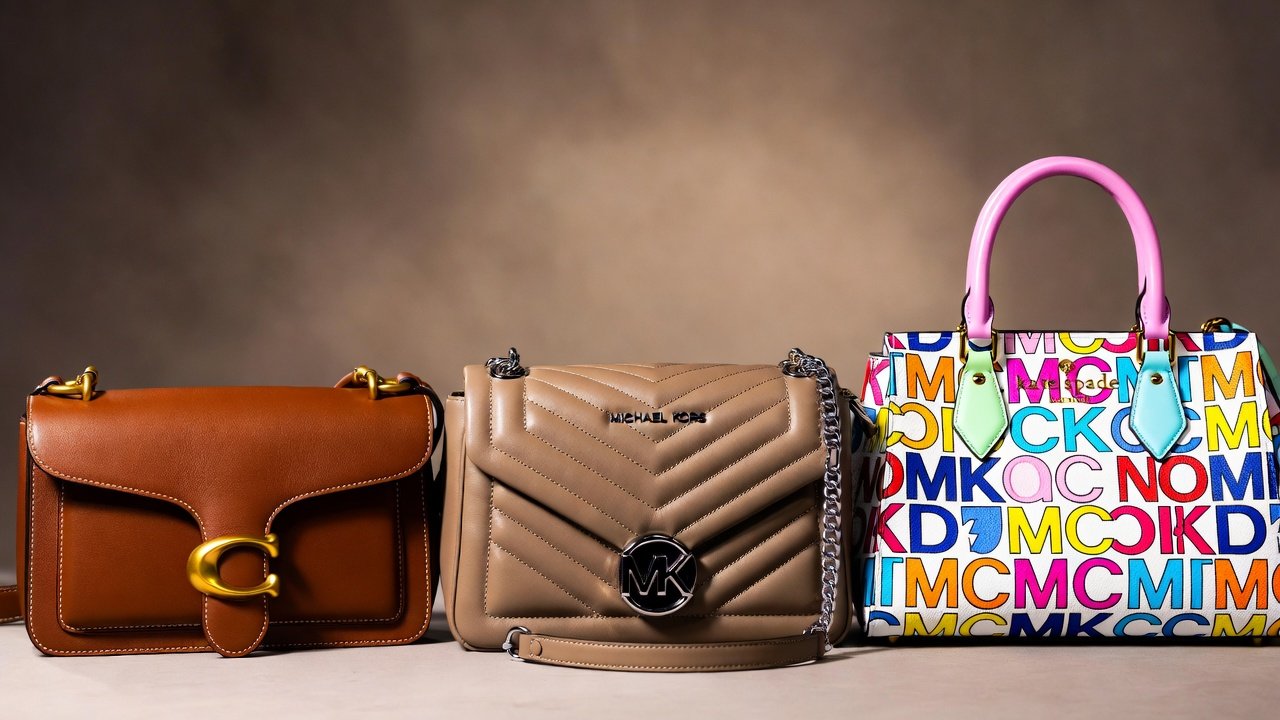

When you shop for a handbag, you want something that lasts, looks great, and fits your budget. Many people compare Michael Kors, Kate Spade, and Coach. These brands offer accessible luxury. They mix style with everyday use. This article breaks down their histories, designs, quality, prices, and more. You will see why Coach often stands out for many buyers. We use facts from trusted sources to help you decide.
The Rise of Affordable Luxury Handbags
Affordable luxury bags fill a gap. They give high-end feels without high prices. Brands like Michael Kors, Kate Spade, and Coach lead this space. The global handbag market hit $78.23 billion in 2026. It grows at 5.25% yearly. North America alone expects $31.48 billion by 2033. These brands drive growth. They appeal to working women and young shoppers. Women in the workforce rose to 40.2% globally in 2024. They need bags that work for office and casual days. Coach, with its timeless appeal, captures this market well.
Shoppers seek value. Resale markets boom. Brands with strong resale hold appeal. Sustainability matters too. Buyers want eco-friendly options. We compare these factors next.
History of Coach: The Original American Leather Icon
Coach started small but grew big. In 1941, six artisans founded it in a New York loft. They made wallets and billfolds by hand. Miles Cahn saw a baseball glove. It inspired soft, durable leather bags. By 1950, Lillian and Miles Cahn bought the company. They added women’s handbags.
In 1961, Bonnie Cashin joined as designer. She changed everything. Cashin added color and fun. She used brass hardware from her car for locks. Bags like the Cashin Carry launched in 1969. They were simple totes with zips. The horse and carriage logo came in the 1950s.
Coach grew fast. In 1979, Lew Frankfort joined. He turned it into a global brand. Sara Lee bought it in 1985 for capital. By the 1990s, Coach opened stores worldwide. Reed Krakoff led design in 1996. He added modern twists.
In 2013, Stuart Vevers took over. He mixed heritage with new ideas. Collaborations with Disney and Basquiat boosted appeal. Today, Coach is part of Tapestry Inc. It owns Kate Spade too. Coach focuses on quality leather. Bags like the Tabby and Brooklyn sell out. Gen Z loves them. Two-thirds of new buyers are young.
History of Michael Kors: From Runway to Everyday Glam
Michael Kors launched in 1981. He was 21. His first collection had 18 pieces. White dresses and leather separates sold at Bergdorf Goodman. Kors grew up in New York. Fashion surrounded him. His mom modeled for Revlon.
In 1990, he added KORS Michael Kors line. But bankruptcy hit in 1993. He bounced back. In 1997, he led Celine. He turned it around with accessories. He left in 2003 for his brand. Menswear started in 2002.
MICHAEL Michael Kors launched in 2004. It made luxury affordable. The brand went public in 2011. Shares tripled. In 2018, it became Capri Holdings. It bought Versace and Jimmy Choo.
Kors focuses on jet-set style. Bags like the Hamilton and Jet Set are hits. But over-expansion hurt. Stores grew from 177 in 2011 to 816. Now, it adjusts for tougher markets.
History of Kate Spade: Fun and Feminine Beginnings
Kate Spade started in 1993. Kate Brosnahan worked at Mademoiselle magazine. She saw a gap for stylish, simple bags. With Andy Spade, Elyce Arons, and Pamela Bell, they launched six bags.
The Sam bag was a hit. Boxy nylon with label outside. It became iconic. The brand grew to jewelry and clothes. Neiman Marcus bought 56% in 1999. Liz Claiborne bought it in 2006 for $124 million.
Kate left in 2007. Deborah Lloyd led design. Tapestry bought it in 2017 for $2.4 billion. Kate started Frances Valentine in 2016. She passed in 2018.
Design and Style: What Sets Them Apart
Design defines a brand. Coach offers timeless looks. Clean lines, minimal logos. Bags like the Rogue suit work or weekends.
Michael Kors goes bold. MK logos, metallic accents. Styles like the Greenwich are statement pieces.
Kate Spade brings play. Bright colors, prints, novelties like chihuahua bags.
- Coach: Neutral tones, structured.
- Michael Kors: Elegant, royal.
- Kate Spade: Quirky, vibrant.
Choose based on your vibe. Coach fits classic wardrobes.
Quality and Craftsmanship: Durability Tested
Quality matters for long-lasting bags. Coach wins here. Users say leather lasts years. No scuffs or cracks. Glove-tanned leather is soft yet strong.
Michael Kors uses saffiano leather. It scuffs easily. Bags may not last two years.
Kate Spade varies. Some bags tear in a year. Others hold up.
Coach uses better stitching and hardware. It’s an investment.
Pricing and Accessibility: Value for Money
Prices are similar but differ. Coach bags start at $200-$600. Sales make them affordable.
Michael Kors: $150-$400. More sales.
Kate Spade: $200-$500. Entry-level friendly.
All in accessible luxury. Coach gives better value long-term.
For more on deals, check Scouted Today.
Popularity and Brand Perception: Who Leads the Market?
Coach ranks high. It’s the fifth hottest brand in 2026. Demand up 332% year-over-year.
Michael Kors is mass-market. Lost some prestige.
Kate Spade holds trendy spot. Appeals to young buyers.
Coach regained ground after buying Kate Spade.
Versatility and Everyday Use: Bags for Life
Coach shines in versatility. Timeless for work or play.
Michael Kors suits casual glamour.
Kate Spade adds fun but may limit formality.
Coach bags carry daily without wear.
Resale Value and Investment Potential
Resale shows value. Coach holds best. Vintage pieces sell high.
Michael Kors drops fast due to sales.
Kate Spade varies but lower than Coach.
Buy Coach for better return.
Celebrity Endorsements: Stars Choose These Brands
Celebrities boost brands. Coach has Selena Gomez and Jennifer Lopez.
Michael Kors: Gigi Hadid, Blake Lively.
Kate Spade: Fun vibe attracts young stars.
Coach mixes heritage with modern celebs.
For user opinions on brands, see this Quora discussion.
Sustainability Practices: Eco-Friendly Choices
Sustainability grows important. Coach leads with (Re)Loved program. Repairs and reuses bags.
Michael Kors has efforts but less detailed.
Kate Spade invests but trails Coach.
Coach aims for 50% sustainable leather by 2025.
Customer Reviews: What Buyers Say
Reviews guide choices. Coach gets praise for durability. “22-year-old bag still good.”
Michael Kors: “Scuffs easily.”
Kate Spade: “Fun but tears sometimes.”
Coach scores higher overall.
See detailed comparison at Darveys blog.
Which Brand is Better for You?
It depends on needs. For quality and timeless style, choose Coach. It’s durable and versatile. Michael Kors fits bold, trendy looks. Kate Spade suits fun personalities.
Coach often ranks highest in comparisons. It offers best value.
FAQs
What makes Coach bags stand out?
Coach uses high-quality leather and timeless designs. They last longer.
How do prices compare between Michael Kors, Kate Spade, and Coach?
All around $200-$500. Coach gives better long-term value.
Is Coach more sustainable?
Yes, with programs like (Re)Loved.
Which has better resale, Michael Kors or Coach?
Coach holds value better.
Why choose Kate Spade over Coach?
For colorful, quirky styles.
Conclusion
Michael Kors, Kate Spade, and Coach each shine. But Coach excels in quality, history, and value. It suits many lifestyles. If you want a bag that lasts, go for Coach. What brand will you pick next?
References
- https://myratna.com/blog/bollywood-celebrities-wearing-gemstones/ – For insights on celebrity accessories.
- https://www.quora.com/Which-brand-is-better-Michael-Kors-Kate-Spade-or-Coach – User reviews and comparisons.
- https://www.darveys.com/blog/is-coach-better-than-michael-kors/?srsltid=AfmBOorK-Z9isuq7UuMfEyL5EV6FS7QR34OsHV_RTP27c9CTpkPgs53p – Detailed brand analysis.